
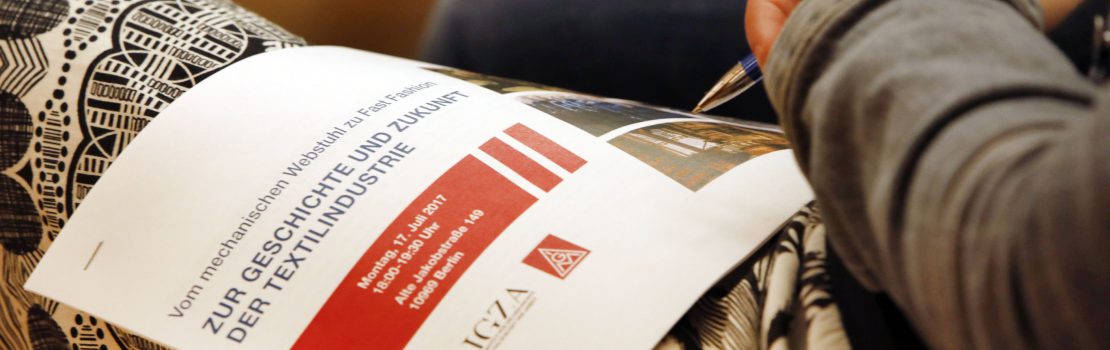
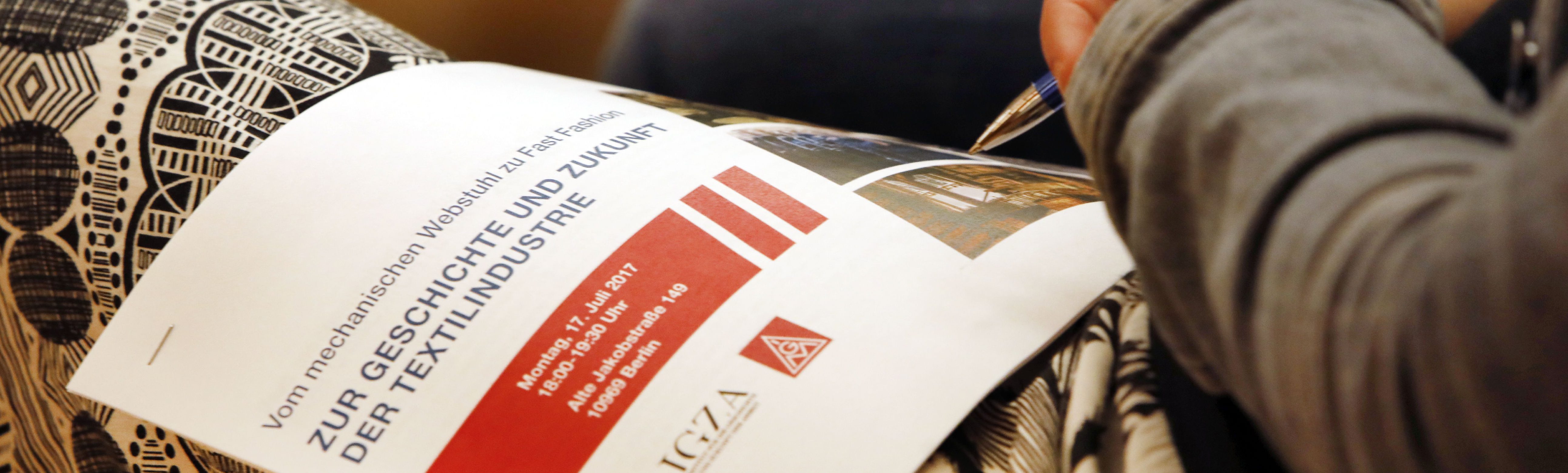
„From the mechanical loom to fast fashion: the history and future of the textile industry“
17 July 2017, IG Metall Berlin
Event organised by the IGZA in cooperation with
with re:work and IG Metall
While Germany was still one of the centres of the global textile industry in past centuries, today millions of people in South and Southeast Asia produce in sweatshops. Fast fashion, new materials and shifts along the value chain dominate current developments in the textile industry.
What role did and does automation, increased productivity and the question of labour recruitment play in relocation processes? How should the interrelationship between the development of capitalism and the textile industry be assessed over time? What is the present and future of the German textile industry in the light of technological developments?
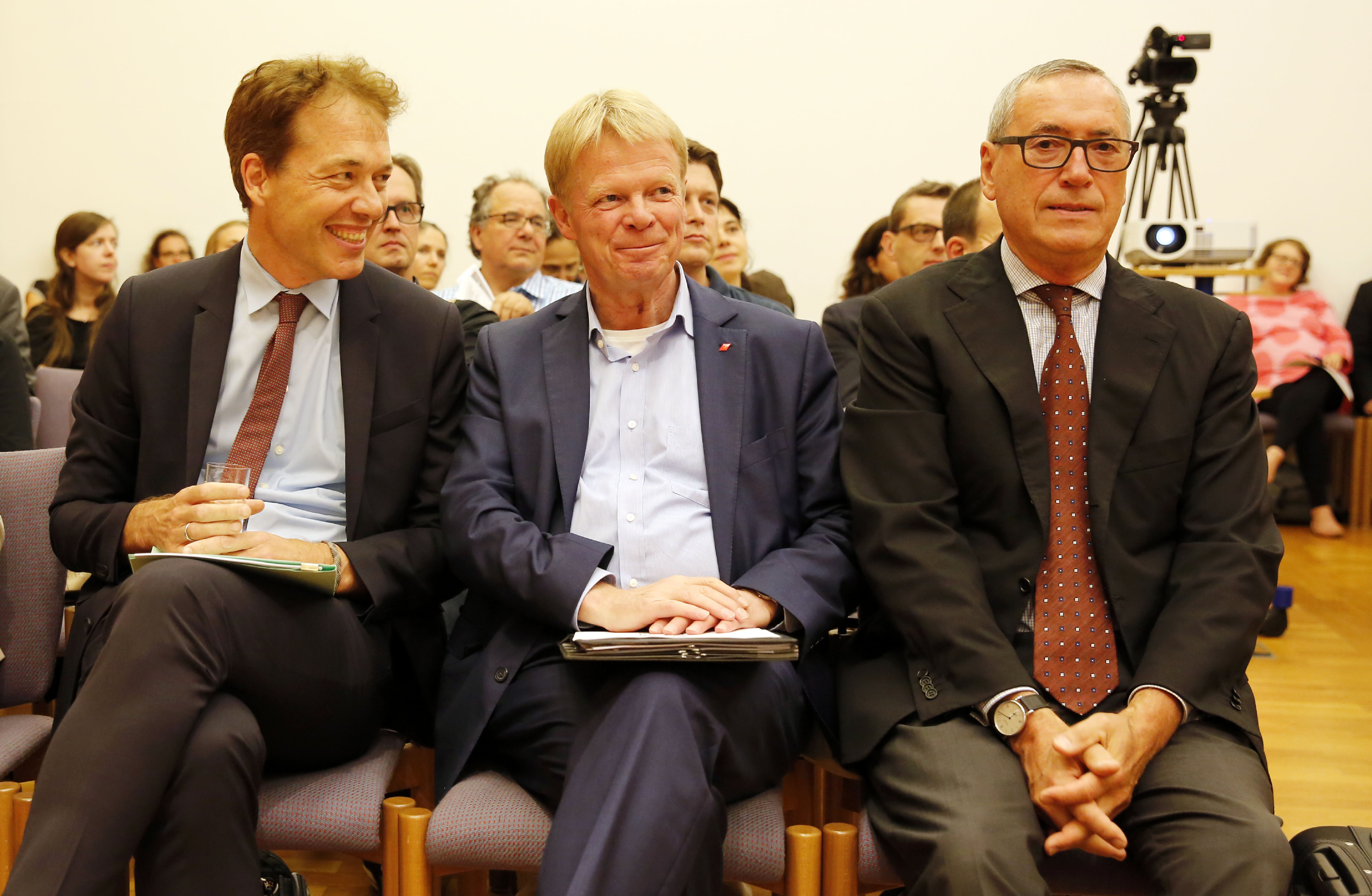
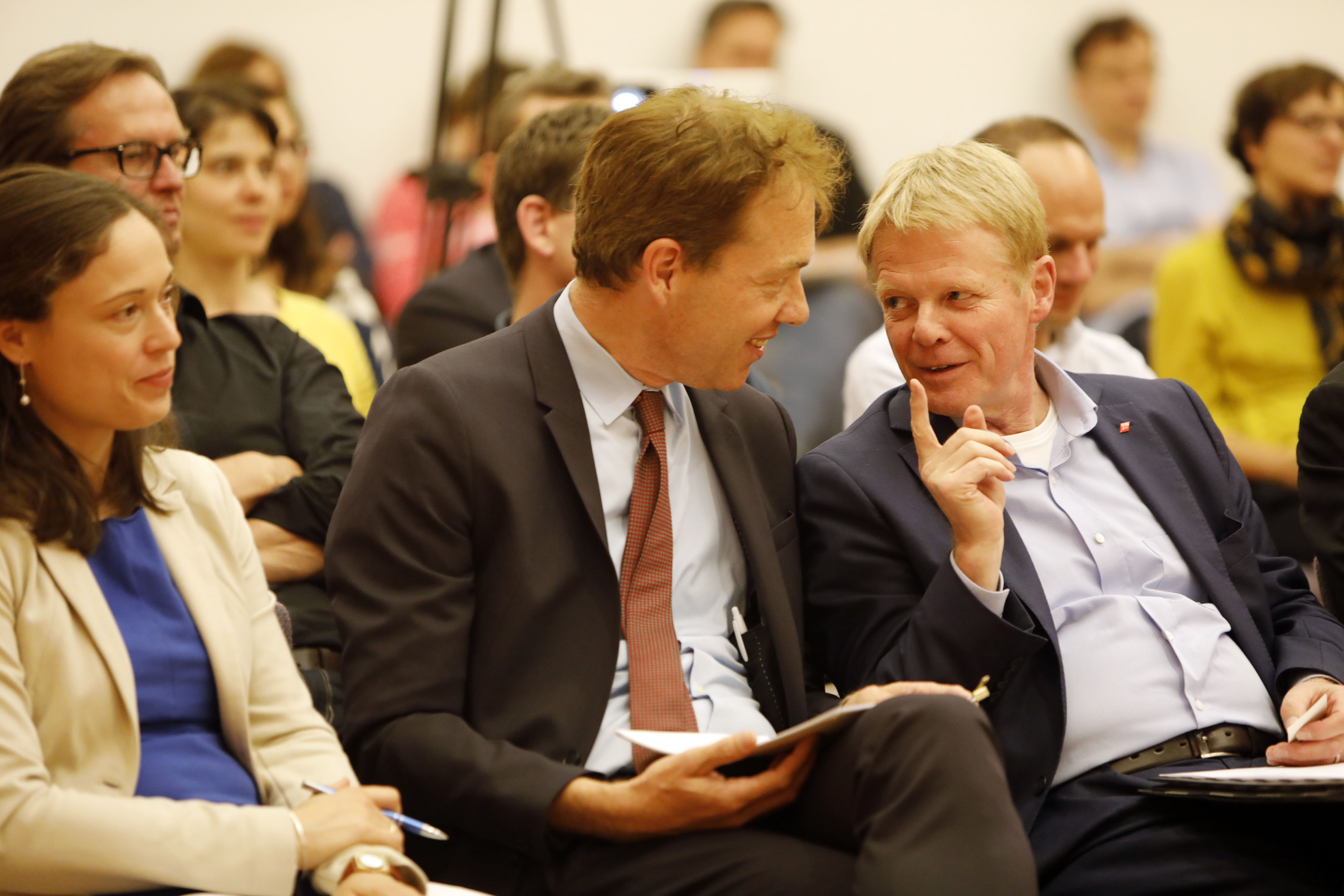
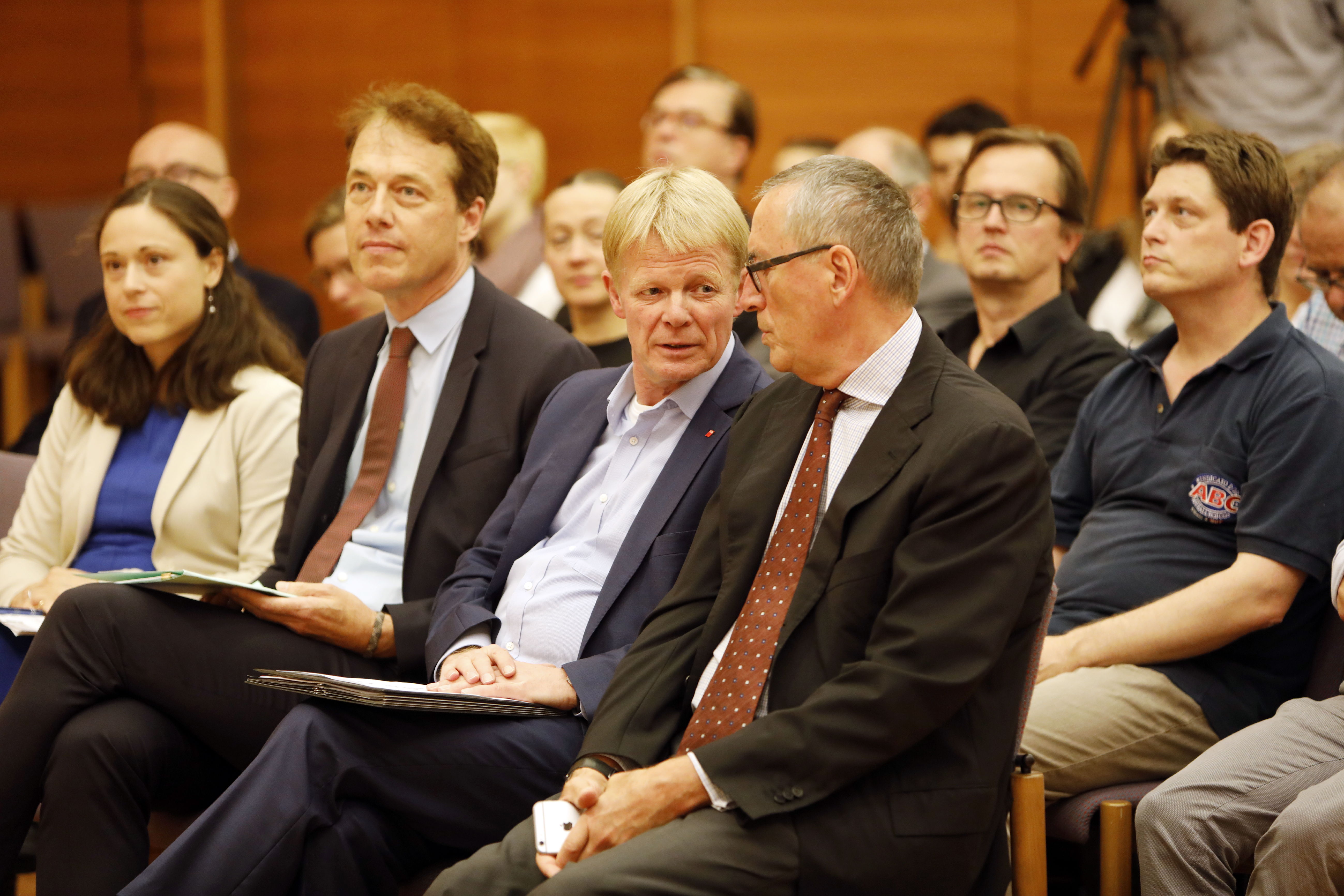
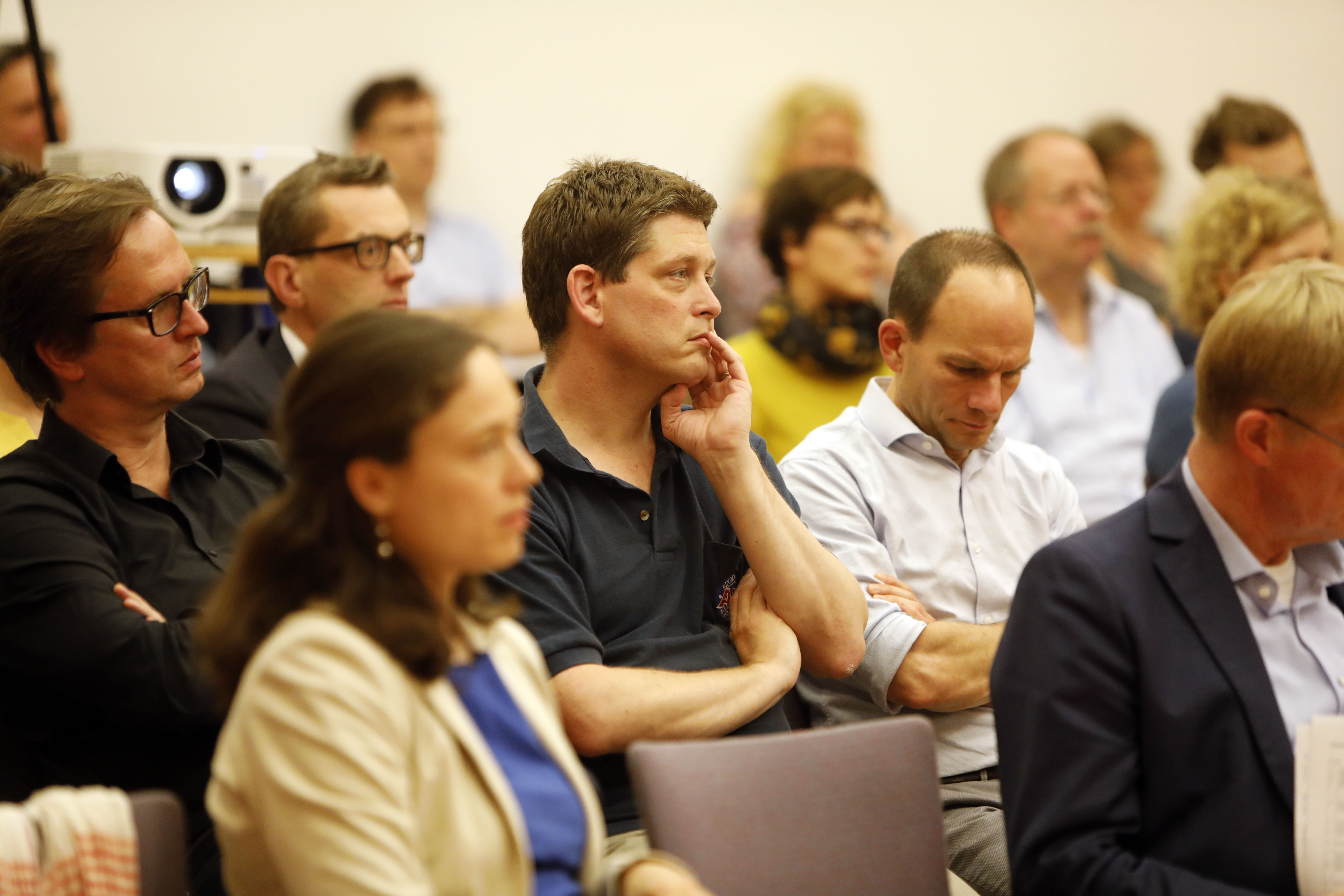
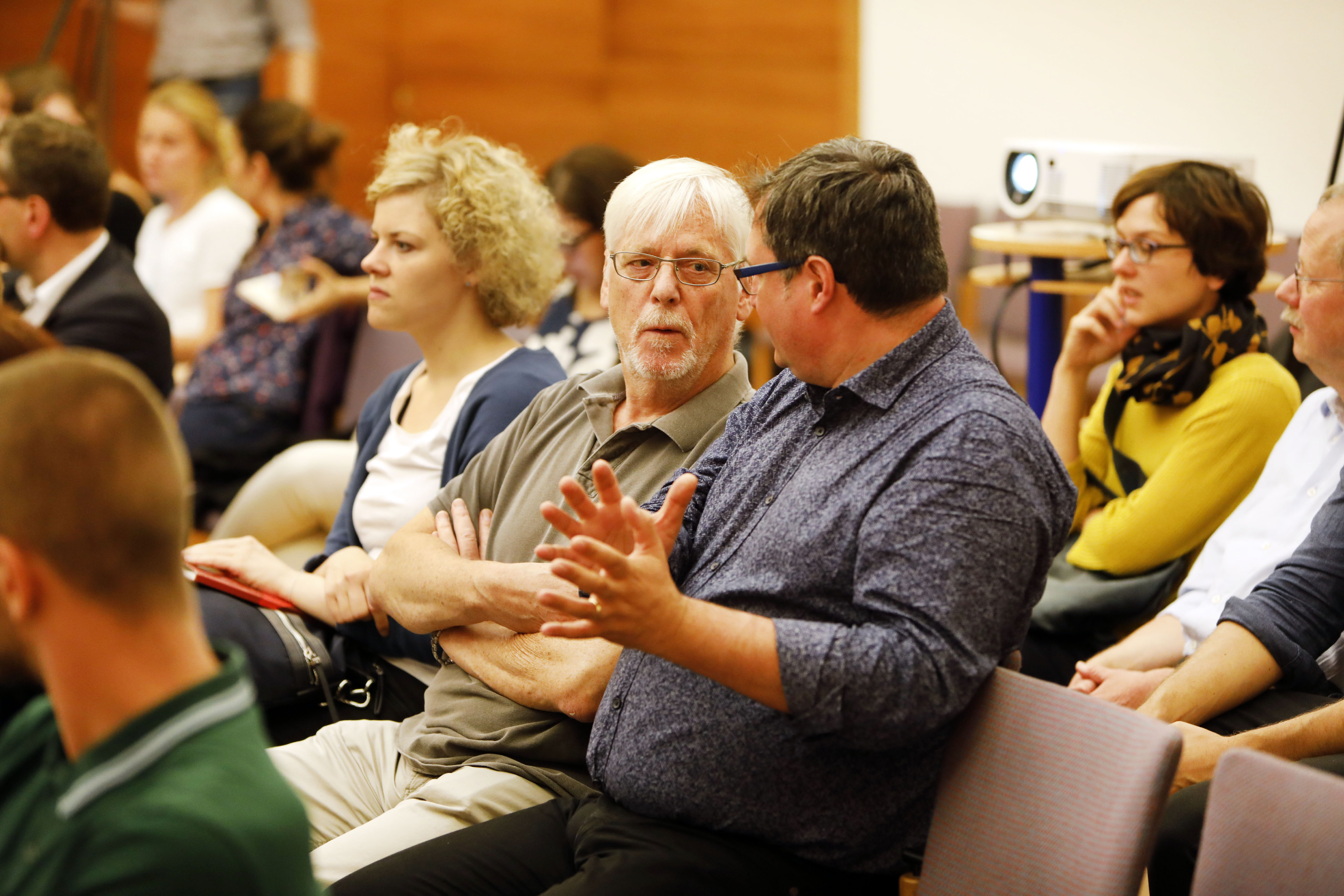
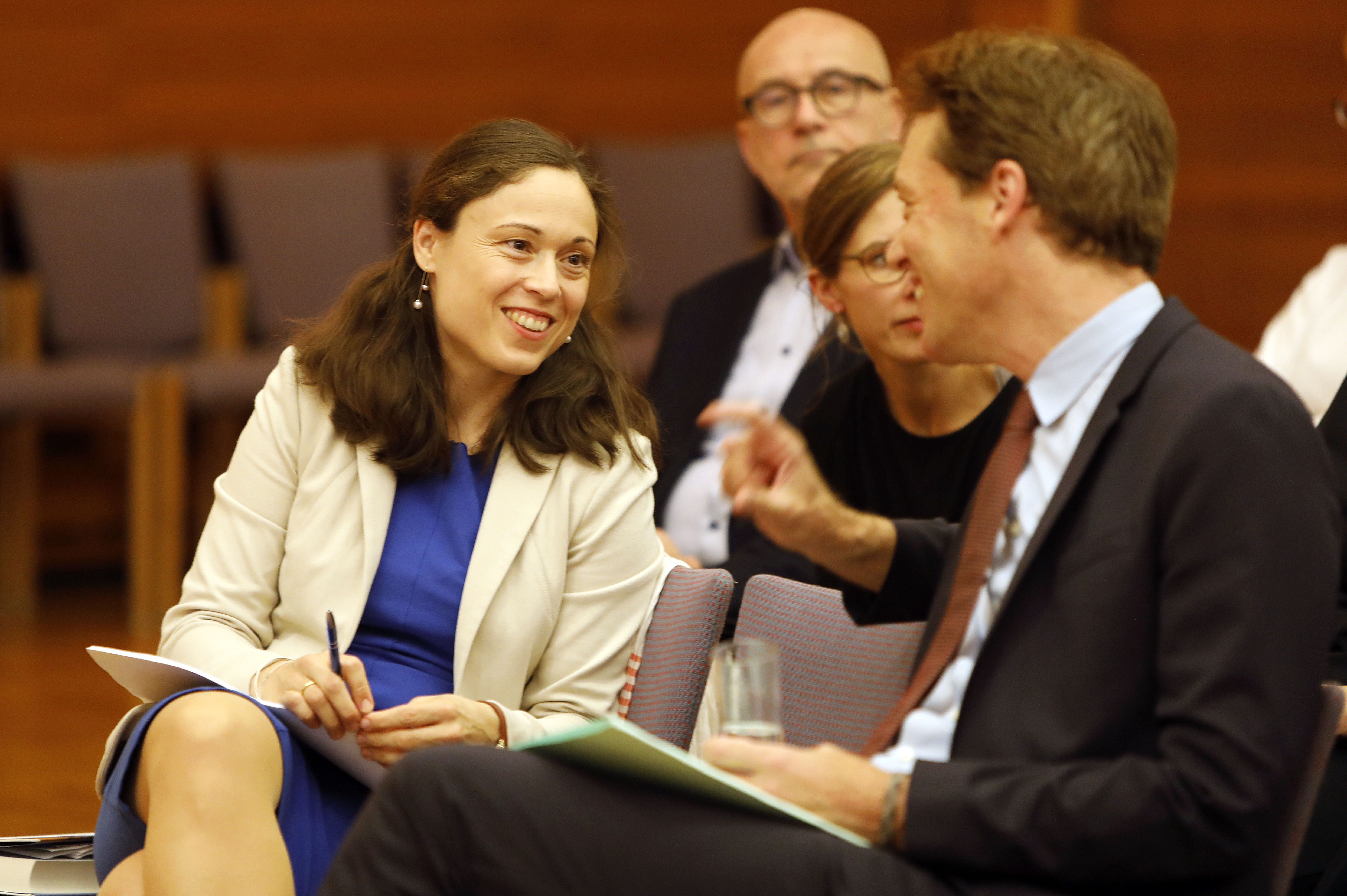
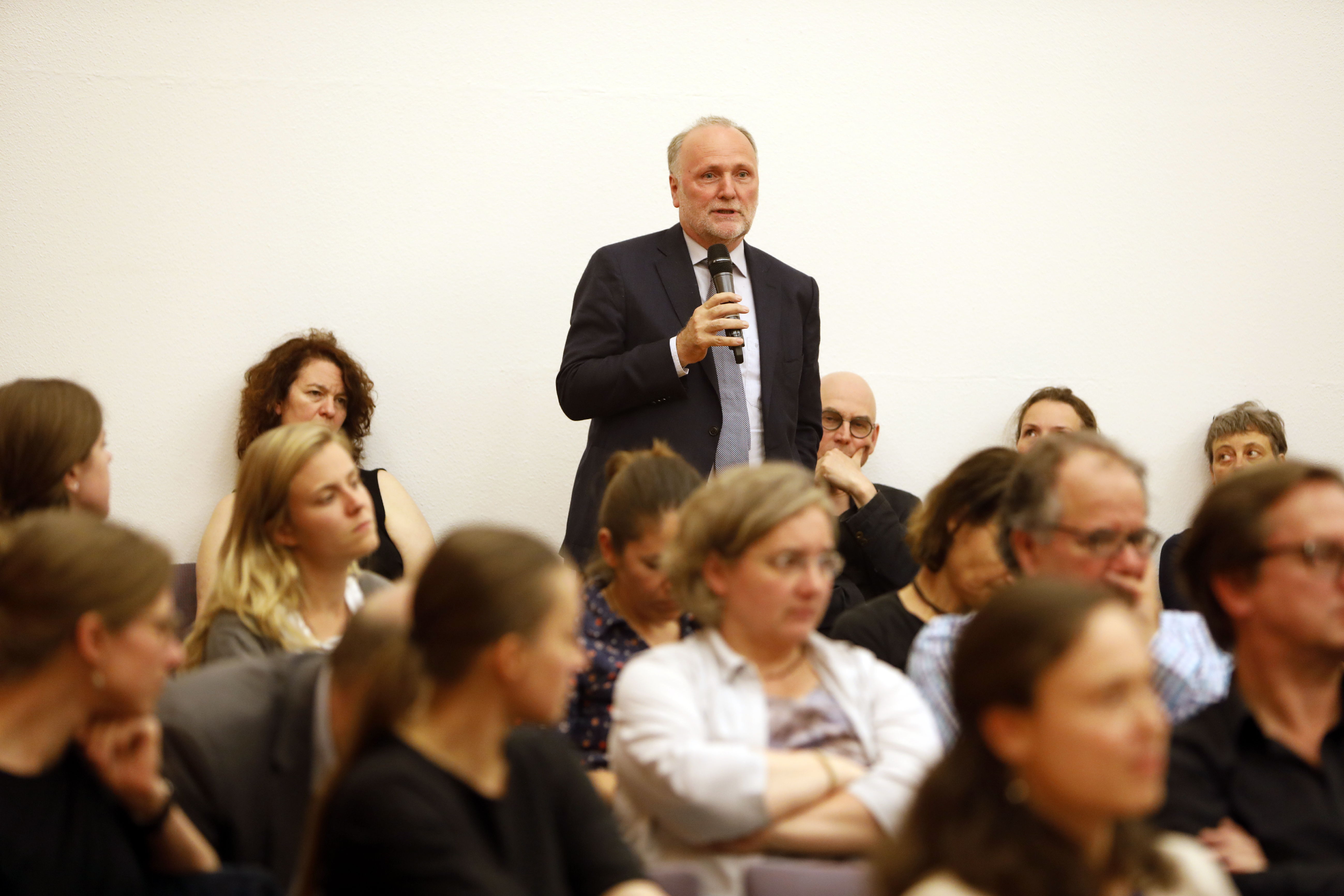
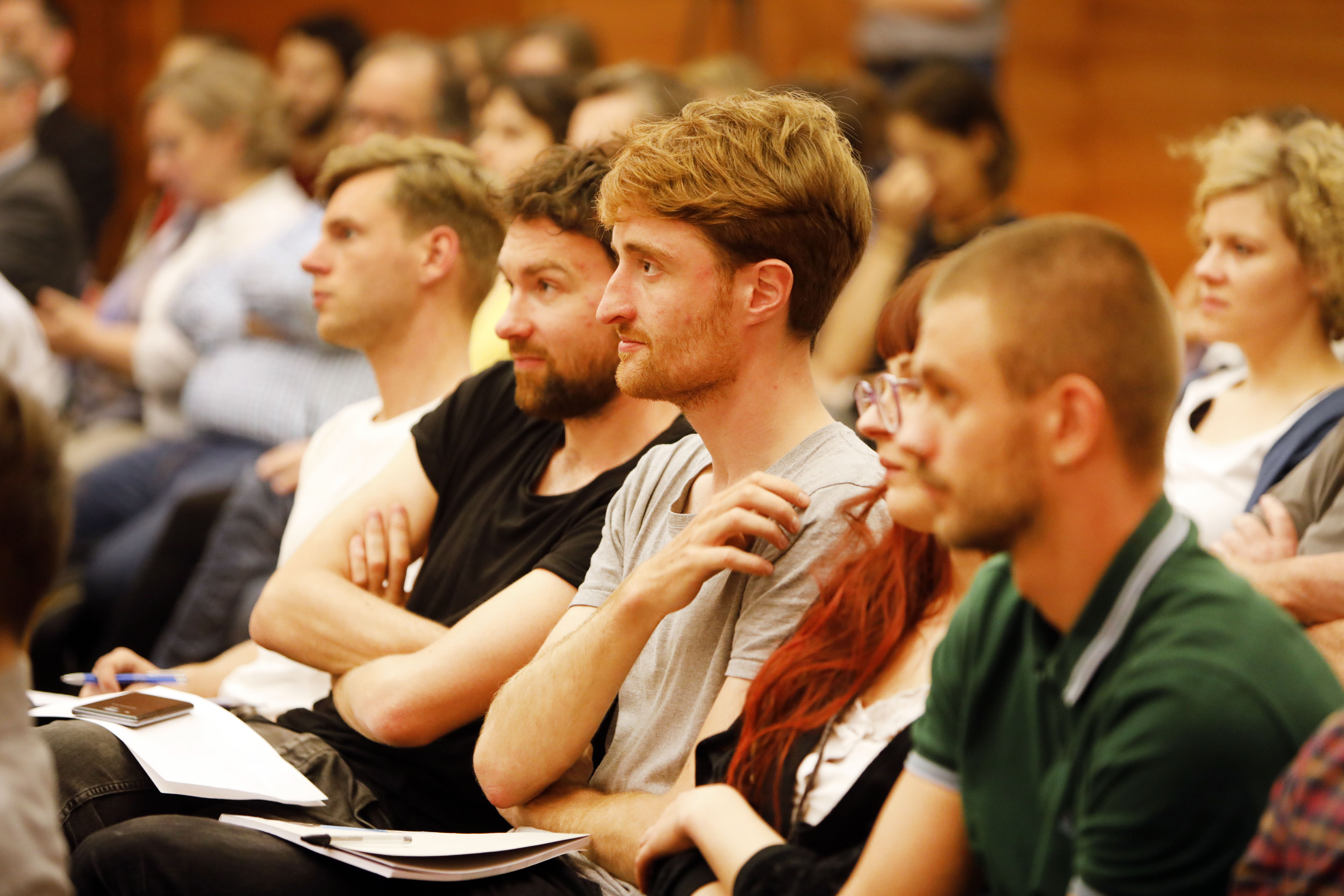
These and other questions were discussed at the event from a trade union, business and academic perspective.
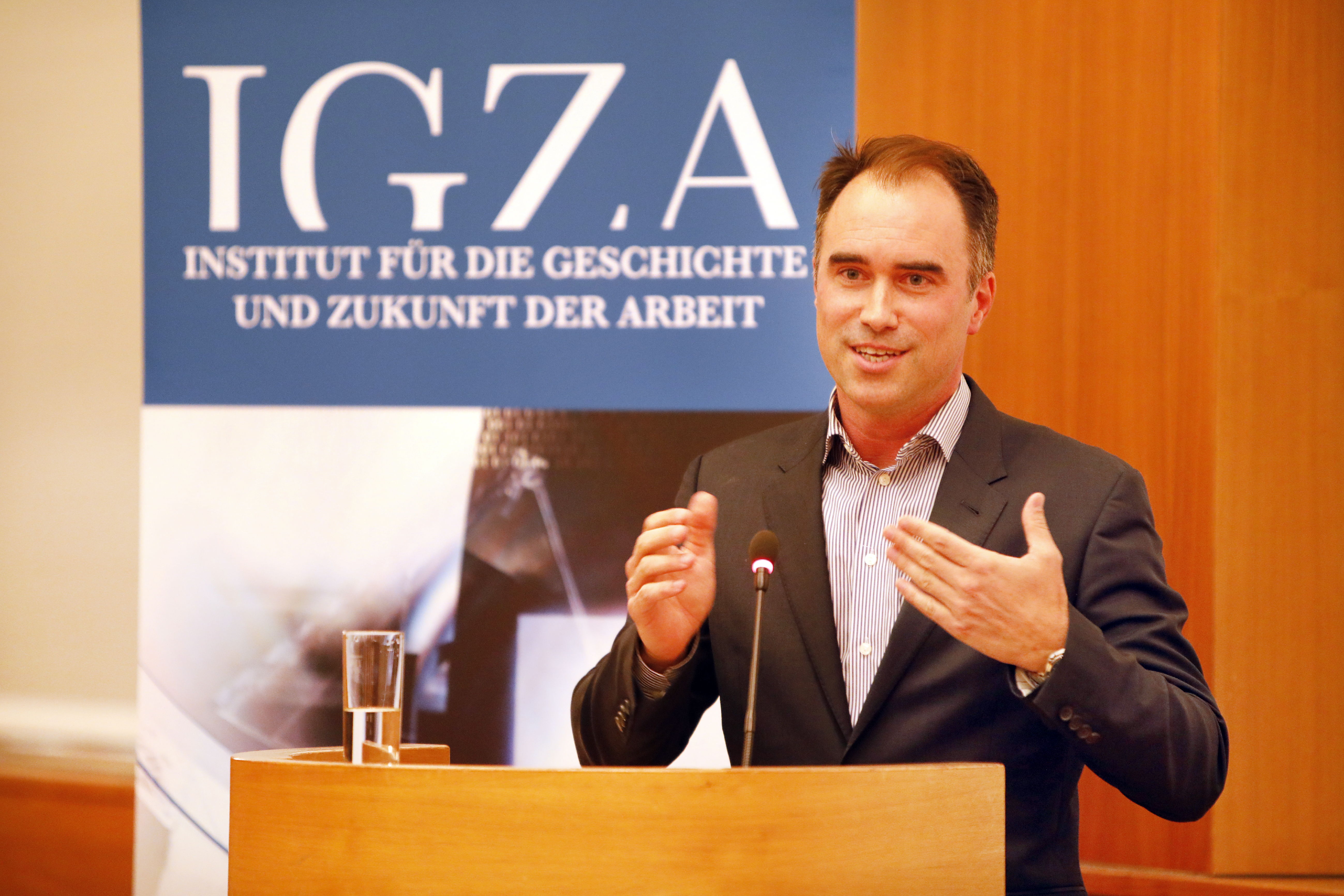
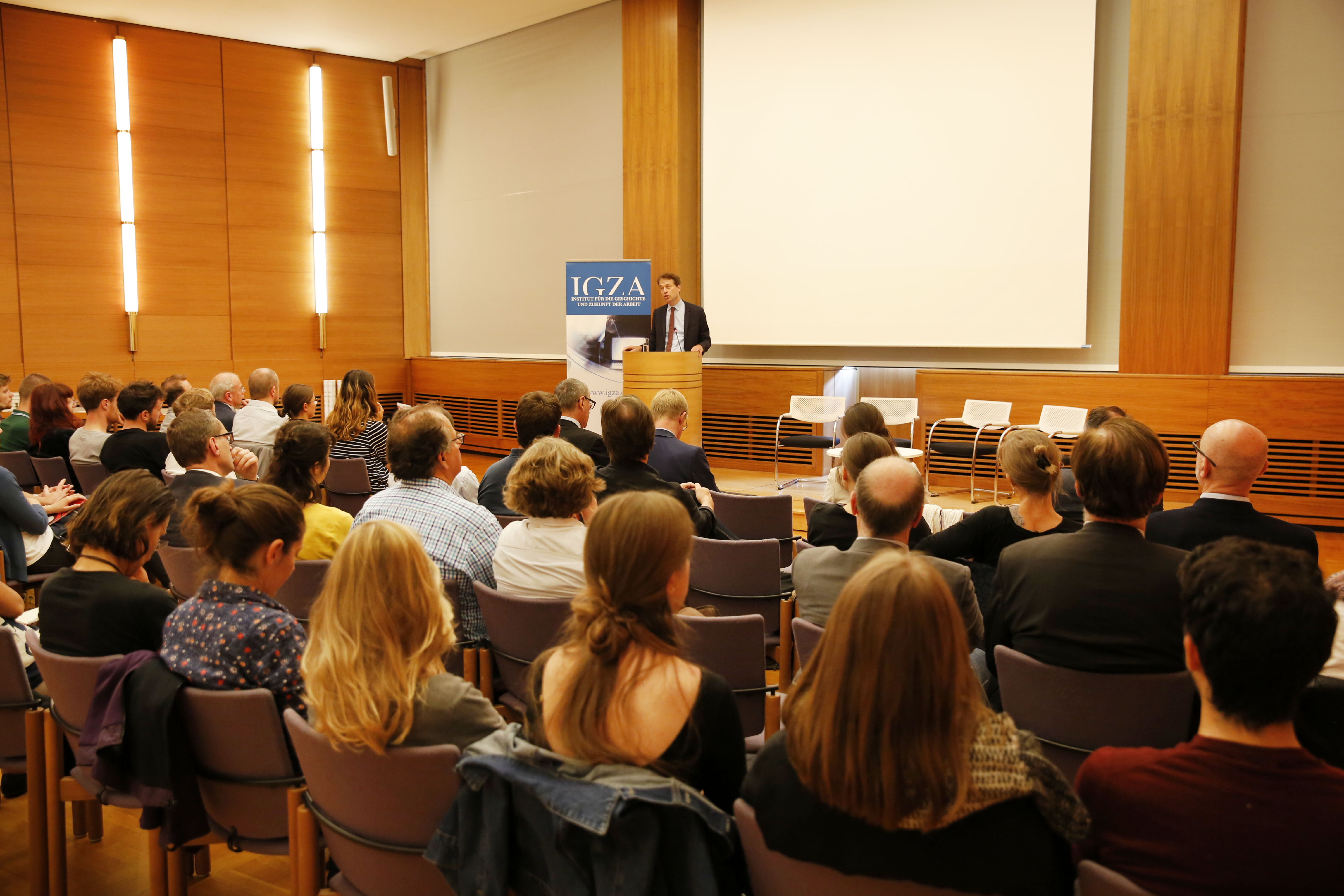
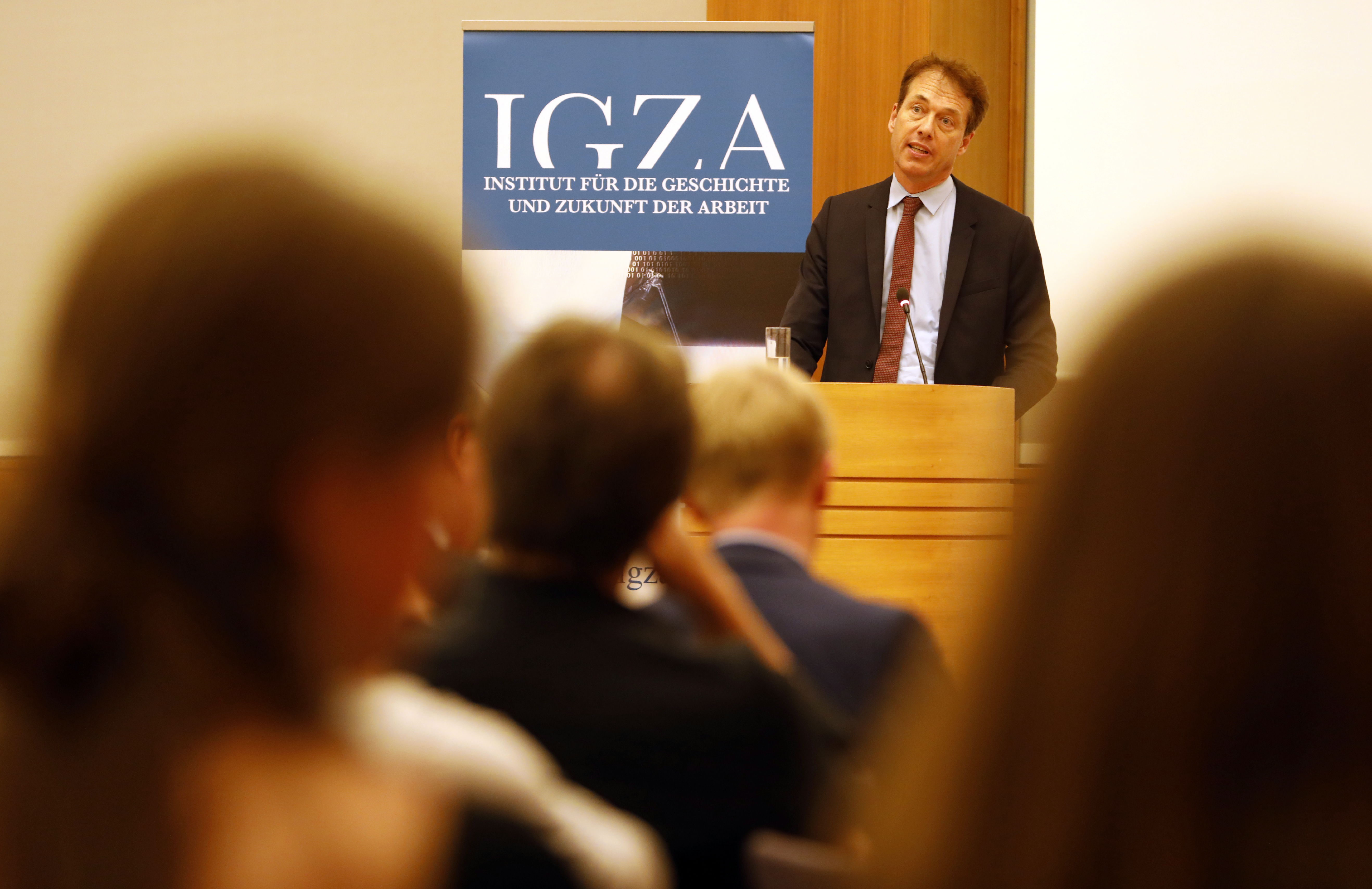
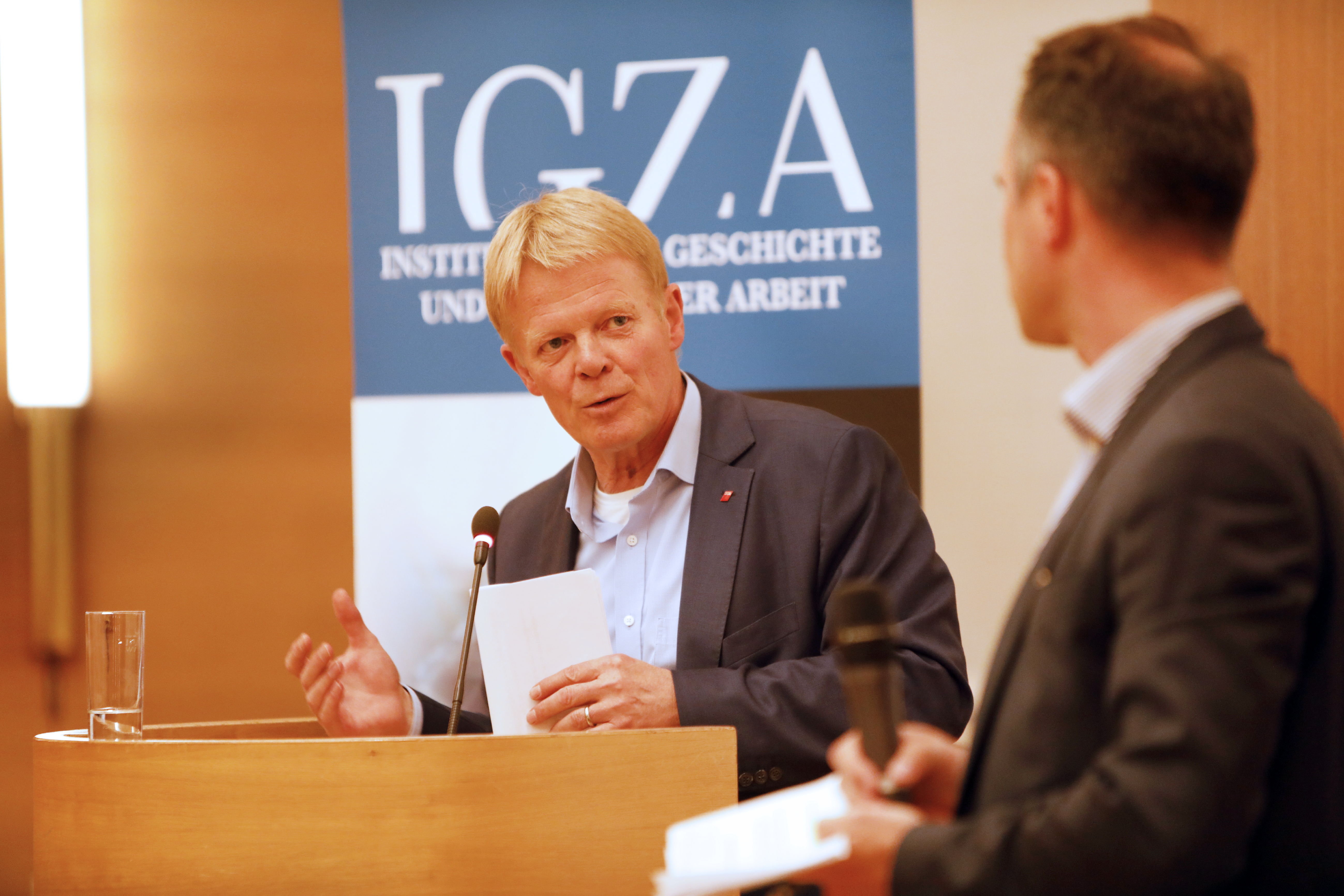
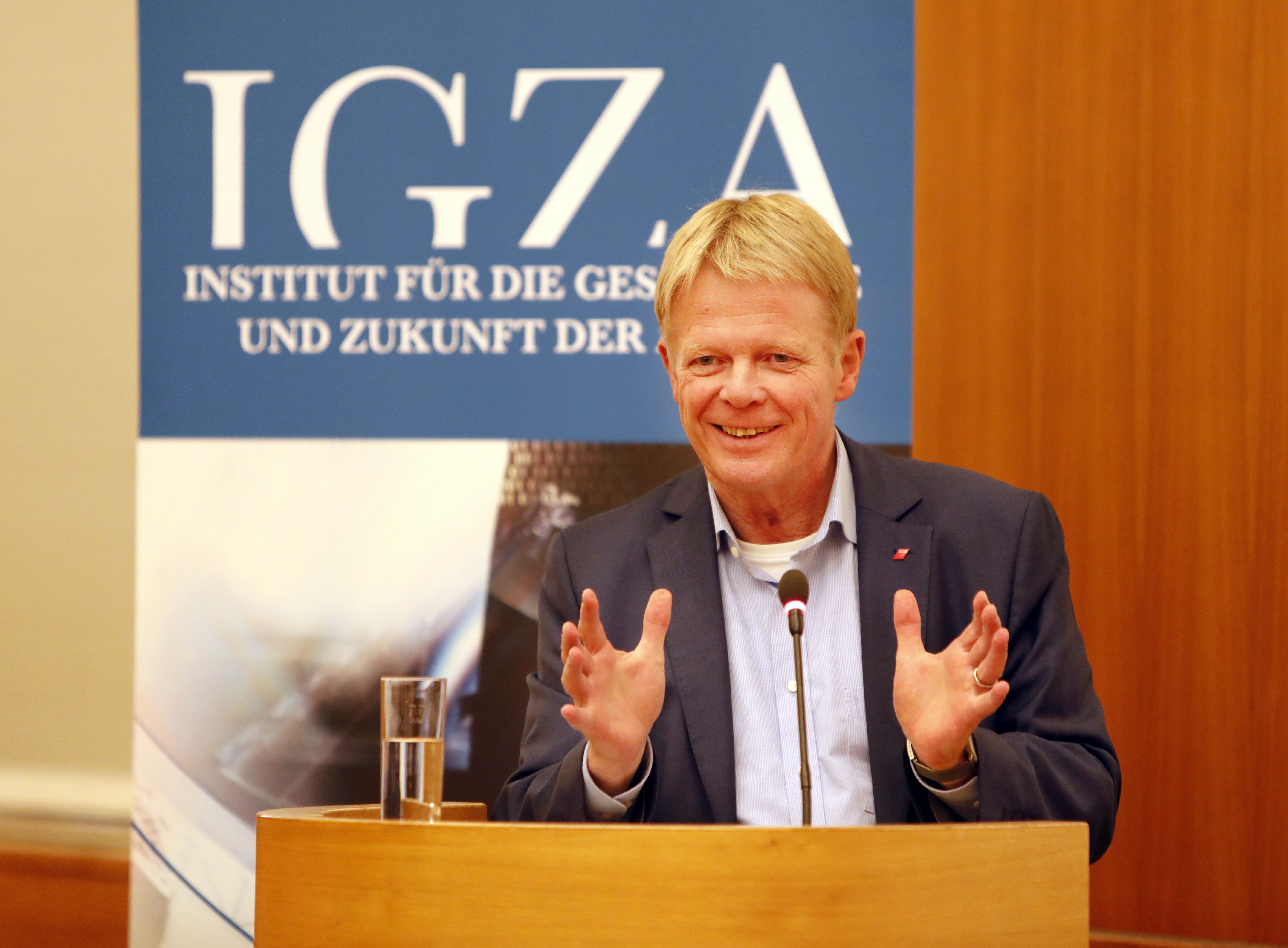
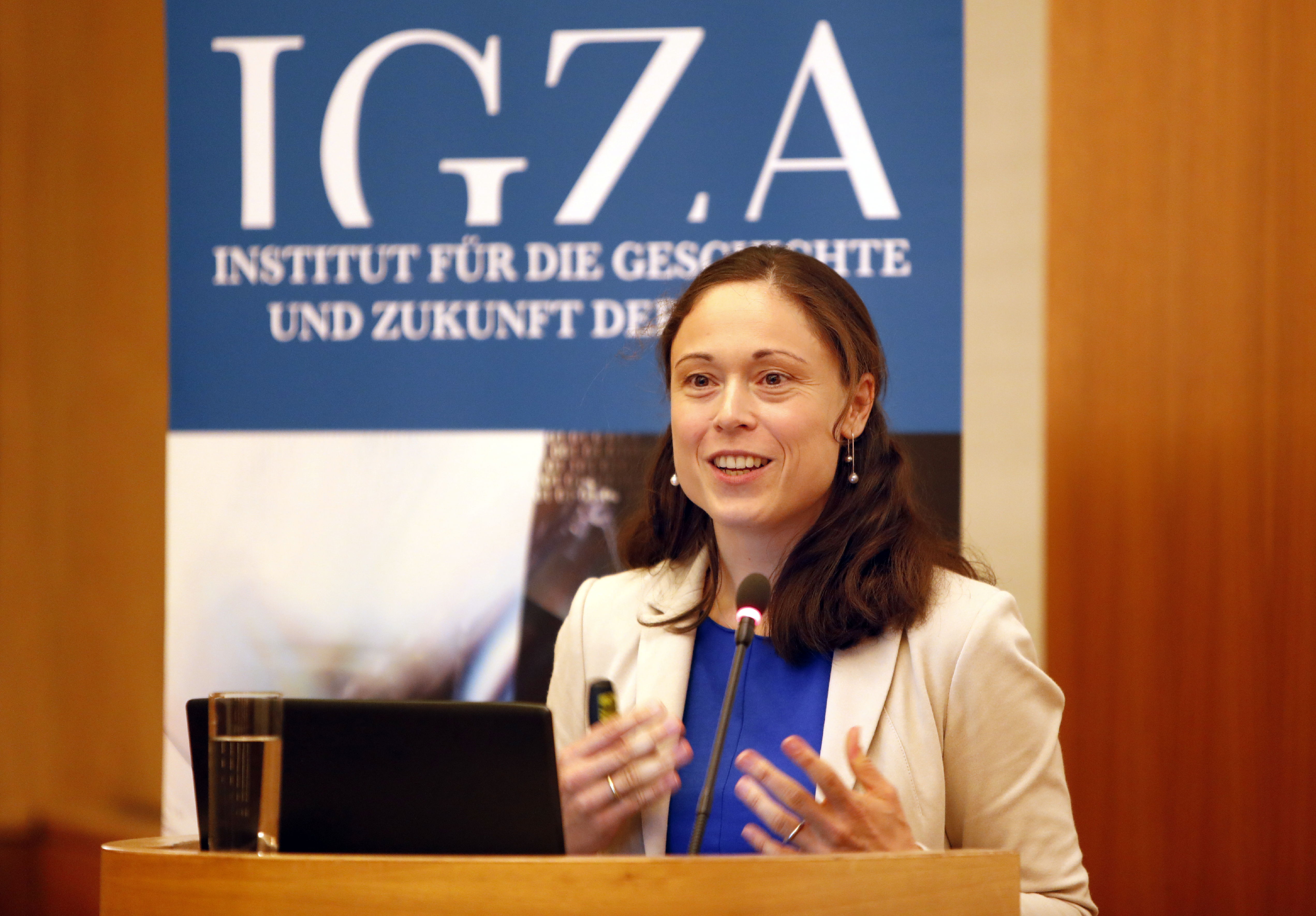
The event focussed on presentations by DGB Chairman Reiner Hofmann, Sven Beckert, author of the book „King Coton“ and professor at Harvard, and economics professor Elke Schüßler from the Johannes Kepler University Linz.
While Sven Beckert - based on his multi-award-winning work „King Coton. A Global History of Capitalism“, Sven Beckert explained the global framework for the development of capitalism using the example of cotton, while Reiner Hofmann emphasised the urgent need for international cooperation between trade unions, which predominantly operate on a national level. Elke Schüßler presented her research project on the effects of the collapse of the Rana Plaza building in Bangladesh, in which over 1,100 people lost their lives in April 2013. The research project investigates how companies and retail chains reacted to this disaster and what changes the textile workers perceive on the ground.






Today more than ever, living wages and decent working conditions in the global textile and clothing industry are an imperative for global companies, national producers, states, trade unions and other civil society organisations. Where market logic pushes living conditions below the level of human rights, there is no sustainable alternative to collective labour agreements and statutory minimum rules to stop bottomless wage competition. Open markets will only continue to exist if companies take responsibility for living and working conditions in the supply chains through their purchasing practices and enable fair wages. And for consumers in the rich part of the world, a fair wage for their fellow citizens of the world should also be worth a few euros.